Current Status
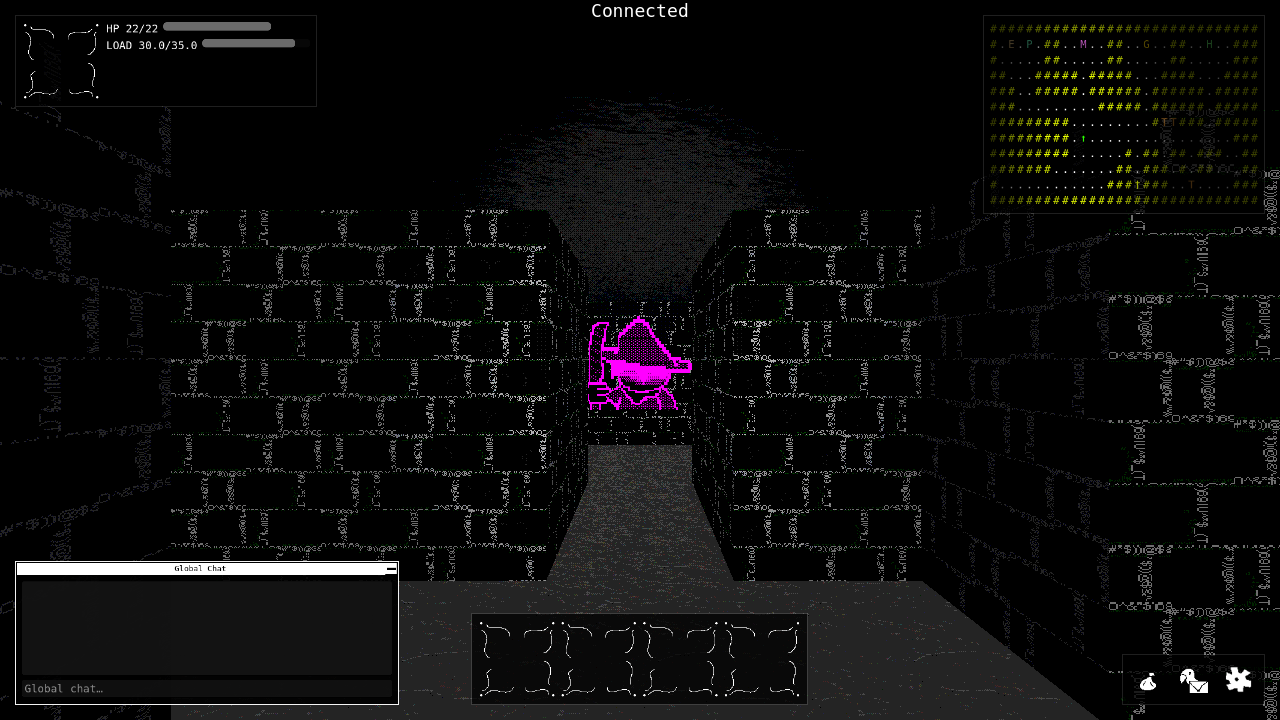
The fresh multiplayer build is still in fabrication. Until the new sessions and hub town go live, the only playable option is the discontinued
TardQuest Online Classic client available at
classic.tardquest.online
TQO Classic is based on TardQuest 1.10.0 and retains the original single-player mechanics adapted for online play.
World Layout at a Glance
TardQuest Online is evolving into a structured hub-and-dungeon adventure. A shared town anchors every player, while private instanced runs spin off for parties that want combat, loot, and progression free from global clutter.
   HUB TOWN (shared) -- chat, merchants, parties
            |
   [ Portal Deck ]
            |
   ┌────────┴────────┐
   │   DUNGEON RUNS  │  → 1-4 explorers
   │   FLOOR TIERS   │  → Fixed Level Band (e.g., 1-3, 4-6)
   └─────────────────┘
Each area runs inside its own GameSession, keeping hub life persistent while dungeon copies stay isolated and responsive. Enemies, loot, and map state belong to your party.
Planned Areas
| Zone | Purpose | Description |
|---|---|---|
| Persistent Hub | Always-on social core. | Merchant stalls, Gambler, quest NPC Erok, leaderboard terminal, party invites, and future trading posts share one synchronized scene. |
| Lobby / Portal Deck | Briefing overlay to assemble squads. | Pick a floor tier, lock in party readiness, and transition into a fresh instance. |
| Dungeon Instances | Combat-first expeditions. | Scaling enemy stats with party size and granting synchronized loot streams. Floor tiers restrict level ranges to keep runs balanced and fair. |
| Boss Events | Event fights. | Large-group raids & limited-time event zones. |
- Persistent Hub — NPCs, merchants, leaderboard, party invites.
- Lobby / Portal Deck — Assemble squads and enter instances.
- Dungeon Instances — Party-scoped combat; scaled difficulty & loot.
- Boss Events — Large-group challenges and scheduled events.